
Seasonal Bread Baking Calendar: What to Bake Month by Month
Bread baking changes with the calendar, even if your recipe card does not. A kitchen at 19°C in February asks for a different schedule than the same kitchen at 27°C in July. Produce shifts too: there are no figs in March, and no need to force a light rye when the garden is offering young garlic and peas. This seasonal calendar is not a set of rigid rules. It is a way to read the room—your room—and choose loaves, fermentation times, and flavors that make sense right now.
Think of it as a set of prompts rather than a prescription. The same country sourdough can feel stubborn in winter and almost too eager in summer. A dough that benefits from an overnight chill in January may need to spend that time in the fridge in July simply to slow down. The point is not to chase a perfect formula but to build a working relationship with temperature, time, and what is actually available in your kitchen.
January and February: Slow Ferments and Warming Loaves
Cold weather is not the enemy of good bread; it is an invitation to slow down. In a kitchen that sits around 18–20°C, yeast and sourdough move gradually, which gives whole grains and seeds time to soften and flavor to build. This is the season for rye, whole wheat, seeded boules, and sturdy sandwich loaves. Add warm water—not hot—to bring the dough to a comfortable final temperature, usually somewhere near 24–26°C after mixing.
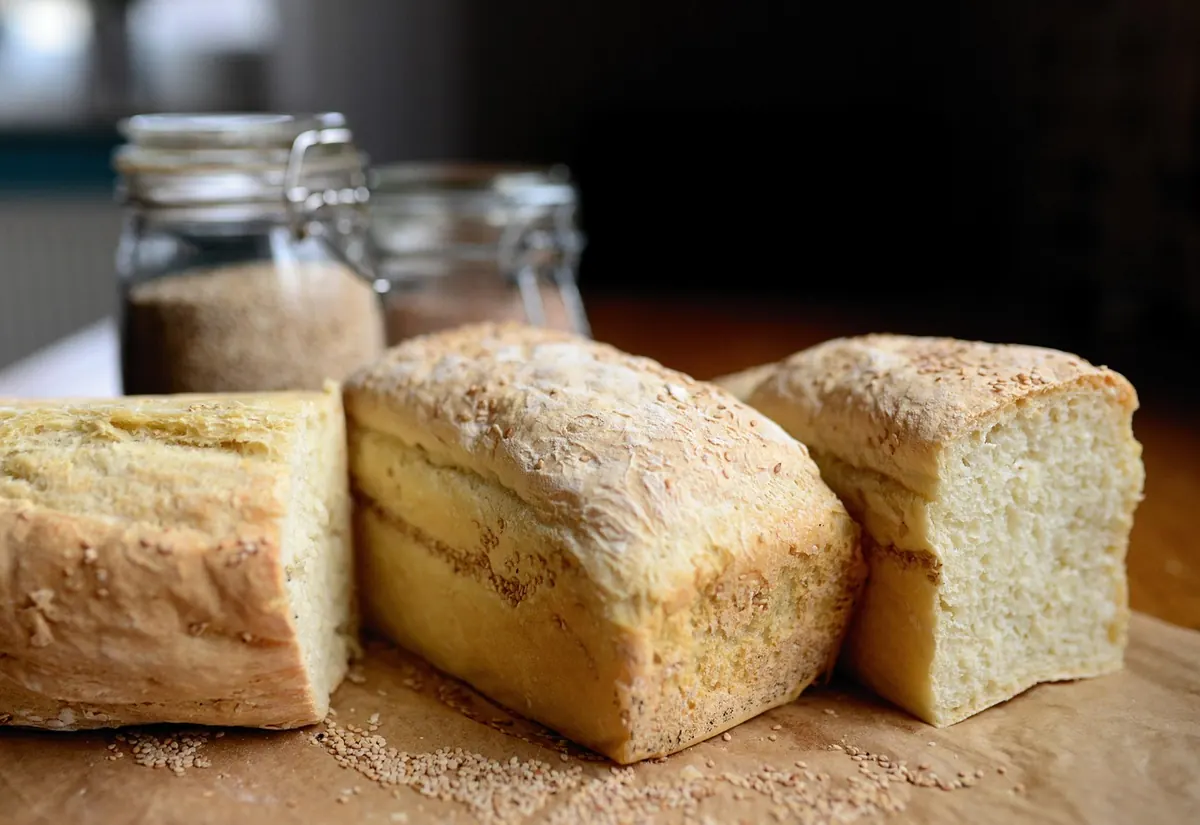
Whole grains and seeds benefit especially from this slower pace. A 20% rye dough can taste harsh when rushed and mellow when given time. Toasted sunflower, pumpkin, and sesame seeds folded in at the end of mixing add texture without turning the loaf into a brick, provided you soak or toast them first and account for their moisture. Winter is also a good time for porridge breads, where a small amount of cooked oats or cornmeal is added to the dough for a softer crumb and a longer shelf life.
A cold-kitchen schedule
Mix your dough in the evening, give it a short bulk fermentation at room temperature, then shape and retard it in the fridge overnight. The cold pause suits a busy week and improves the crust. For a 20% rye sourdough, for example, let the dough sit 3–4 hours at room temperature, shape it, and bake it from cold the next morning after 12–18 hours in the fridge. Expect the dough to feel tighter and to proof more slowly than in summer. Enriched doughs are the exception: brioche and milk bread want a warm spot, not a cold one.
Keep a simple note of what you did and how long it took. In February, that record is more useful than another new recipe. If your starter doubles in six hours instead of four, write it down. If the crust browns faster than expected, note the oven position. By the end of winter you will have a personal schedule that fits your kitchen better than any generic timeline.
March and April: The First Green Shoots
Early spring brings restless weather and a restless kitchen. One afternoon the radiator is on; the next, a sunny window pushes the dough along. This is the month to lighten your loaves and start tasting the garden again. Young garlic, scallions, parsley, dill, and the first spinach can all go into a sourdough, though it is wise to blanch or sauté watery greens first and pat them dry. A loaf with 10–20% whole wheat and a handful of chopped herbs makes a good bridge between winter and summer.
Watch the dough rather than the clock. If February's bulk took five hours, March's may take four. Keep a jug of cool water nearby; if the kitchen warms up, use it to bring the dough temperature down. If you bake one loaf a week, make this the month you learn your kitchen's afternoon temperature. A simple thermometer on the counter tells you more than a hundred recipes.
Spring is also a good time to experiment with preferments. A overnight poolish or a small levain can add flavor without demanding a long day. Use a light hand with strong herbs such as rosemary or thyme; they can overwhelm a delicate spring loaf. Softer herbs—parsley, chives, dill—fold in better and stay greener, especially if you add them after the salt during the final mix.
May and June: Herbs, Peas, and Faster Proofs
By late spring, fermentation speeds up. A dough that needed a long winter bulk can suddenly be ready before dinner. Use that energy for open-crumb breads: ciabatta, baguettes, and country sourdough with a little poolish. A 40% poolish—made the night before with equal weights flour and water and a pinch of yeast—gives sweetness and extensibility without demanding a long day. Mix in the morning, bulk for 3–4 hours at about 24°C with a few folds, shape gently, and proof for 45–60 minutes before baking.
Produce is at its most generous. Peas, asparagus, spring onions, and herbs work in both lean and enriched doughs. Peas need cooking and draining; asparagus is better sliced thinly and used sparingly, or roasted first. A pea and mint sourdough sounds fancy but is just a plain country loaf with 15% cooked peas folded in at the end of bulk. Add herbs late, after the salt, so they stay green and fragrant.
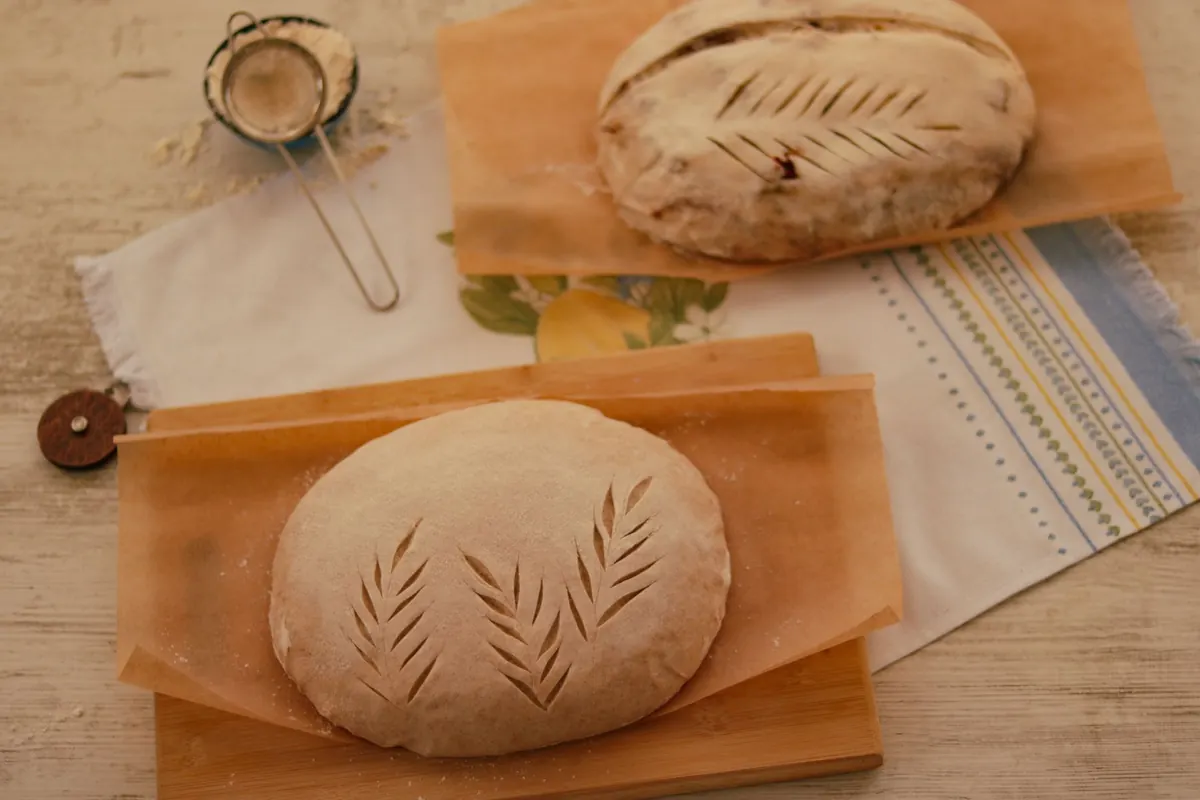
If you want a simple seasonal formula, try a 70% hydration country loaf with 10% whole wheat, a 20% poolish, and a small handful of chopped chives. Bulk it until it is jiggly and domed, shape it with a light touch, and bake it in a hot Dutch oven. The result is not a showpiece loaf so much as a useful one—good with butter, good with cheese, good with a bowl of spring soup.
July and August: Bake Early, Ferment Cool
High summer is the season of air-conditioning, open windows, and dough that doubles before you have finished your coffee. The goal is not to fight the heat but to work with it. Mix early in the morning, use cool water, and shorten bulk fermentation. Choose breads that suit a fast schedule: focaccia, pizza, ciabatta, sandwich loaves, and flatbreads. Tomatoes, corn, zucchini, and stone fruit are in season, but they add water. Roast or salt and drain vegetables first; use fruit sparingly or in an enriched dough where its moisture is part of the plan.
- Mix in the coolest part of the morning, using water at 18–20°C or a few ice cubes.
- Cut bulk fermentation by roughly a third compared with your winter schedule; use folds for strength instead of extra time.
- If the room is above 26°C, shape and proof in the fridge, then bake from cold.
- Add wet produce sparingly, and adjust hydration down by a few percent when you do.
A hot kitchen is also a good time to refresh your starter more often. Keep it in the fridge between bakes, feed it cool water, and use it just as it peaks rather than after it collapses. If you are baking focaccia, dimple it generously, drizzle it with olive oil, and top it with halved cherry tomatoes that have been salted and drained. The bread will be better for the restraint.
September and October: The Baker's Best Window
Autumn often brings the most comfortable baking conditions of the year: steady kitchen temperatures, cool nights, and produce that suits hearty loaves. This is the season for country sourdough, whole wheat with seeds, rye blends, and the first enriched breads of the year. Apples, pears, squash, and nuts all find a place at the table, whether chopped into a loaf, folded into a babka, or served alongside a plain buttered slice.
Use this window to refine your everyday loaf. The dough is usually predictable, the oven is not fighting the heat, and a long bulk fermentation is easy to manage. Try a 30% whole wheat sourdough with toasted walnuts and a little honey. Or bake a seeded rye on a Sunday and eat it sliced and toasted through the week. Autumn rewards consistency more than novelty. If you have been chasing a better crust, this is the month to bake the same formula three weekends in a row and change only one variable at a time.
It is also a good time to reintroduce warm spices without letting them dominate. Cinnamon, cardamom, and ginger work best in enriched doughs or in loaves with dried fruit. In a lean sourdough, a little toasted fennel or coriander seed often does more than a sweet spice blend. Taste the season rather than announcing it.
November and December: Celebration Breads and Pantry Loaves
Late autumn and early winter bring the kitchen back toward slow ferments, but with a different purpose. This is the season for celebration breads: brioche, milk bread, stollen, babka, and panettone-style enriched doughs. These breads need warmth and patience. Keep them away from cold drafts, use soft butter, and give them the time they need to rise. A cold kitchen can still handle them if you create a warm spot—inside an oven with the light on, near a radiator, or in a cooler with a cup of hot water.
For lean loaves, return to overnight retards and sturdy formulas. Seeded sandwich loaves, rye with caraway, and whole wheat boules make useful gifts and good everyday bread. Dried fruit and nuts are in their element now. Soak raisins or cranberries in tea or cider before folding them into a dough, and toast nuts before chopping them. The goal is richness without heaviness.
Holiday baking without panic
- Make your preferment or sponge the night before so the next day is simpler.
- Keep enriched dough warm and covered; cold butter and cold rooms slow everything down.
- Bake in batches and freeze loaves whole or sliced, wrapped tightly.
- Write a short timeline for the final two days of baking, including cooling and packing.
A holiday bake does not need to be complicated to feel special. A well-made milk bread, baked in a loaf pan and brushed with butter, can be more welcome than a ambitious recipe that leaves you exhausted. The same is true of a simple rye with caraway and a handful of toasted seeds. Celebration is as much about rhythm as decoration.
How to Adjust Any Recipe to the Season
The best way to use a seasonal calendar is to treat it as a starting point. Your kitchen, your starter, and your schedule will always have the final word. When the seasons change, adjust one thing at a time and give yourself permission to bake the same loaf often enough to notice the difference.
The calendar suggests; the dough decides.
- Measure your kitchen temperature. A cheap digital thermometer on the counter is more useful than guessing from the weather outside.
- Adjust water temperature. Use warm water in a cold kitchen and cool water in a hot one to bring dough to a comfortable final temperature.
- Shorten or lengthen bulk fermentation. In summer, cut it back and use folds for strength. In winter, give it more time and consider an overnight retard.
- Change hydration carefully. Wet produce and humid days can make dough feel slacker; reduce hydration a little when adding juicy ingredients.
- Use the fridge as a tool. It can slow a dough that is running ahead of schedule, improve flavor, and make baking fit a busy week.
A Seasonal Pantry and Equipment Check
Seasonal baking is easier when the pantry is ready for it. Keep a few staple flours, a jar of seeds, and a small supply of dried fruit and nuts. A probe thermometer, a dough scraper, a proofing basket or two, and a cooling rack will do more for your baking than a shelf full of specialty pans. In winter, make sure you have enough whole grain flour and seeds; in summer, keep olive oil, coarse salt, and a light hand with toppings.
- Strong white flour and a whole grain flour such as whole wheat, rye, or spelt.
- Toasted seeds, dried fruit, and nuts for seasonal additions.
- A digital thermometer for water, dough, and the kitchen.
- A covered pot or Dutch oven for lean loaves, and a tray for flatbreads.
- Notes from last month, so you know what worked and what to change.
Seasonal bread baking is less about following the calendar perfectly and more about paying attention. A cold January kitchen asks for patience; a hot August one asks for speed. Spring asks for herbs, summer for cool water, autumn for whole grains, and winter for rich doughs and slow nights. Bake with what the month gives you, and the bread will usually meet you halfway.
Photo: mars87 / Pixabay